
 Поступка
 Быстрое отопление: керамические обогреватели способны быстро нагревать, достигая удобных температ...
Смотрите детали
Автор: Администратор Дата: 2026-03-19
Are Tower Fireplace Fan Heaters Safe for Home Use?
The Direct Answer: Yes — Modern Tower Fireplace Fan Heaters Are Safe When Used Correctly
Tower fireplace fan heaters are safe for home use when they carry recognized safety certifications and are operated according to manufacturer guidelines. Today's models are engineered with multiple layers of thermal protection — overheat shutoff, tip-over switches, cool-touch housings, and flame-simulation systems that produce zero actual combustion. The visual fireplace effect is created entirely by LED lighting and light-diffusing components, making it completely safe around children and pets.
According to the U.S. Consumer Product Safety Commission (CPSC), portable electric heaters are involved in an estimated 1,700 residential fires annually — but the overwhelming majority involve older, uncertified, or improperly used units. A certified tower fireplace fan heater with current safety features reduces this risk to a negligible level under normal household operation. This article covers what safety features matter most, how to evaluate energy efficiency, and how to place and operate your heater for maximum safety and performance.
What Makes a Tower Fireplace Fan Heater Different from Standard Space Heaters
A tower fireplace fan heater combines three functions in a single upright unit: electric fan-forced heating, decorative fireplace flame simulation, and a tower form factor that distributes warm air broadly across a room. Understanding how each component works clarifies why these units are distinctly safer than older radiant or ceramic bar heaters.
Fan-Forced Heating Element
Rather than relying on radiant heat from an exposed element, tower fan heaters draw room air across an internal heating coil and push warmed air outward through louvered vents. This means the exterior housing remains significantly cooler than a radiant heater — typically reaching only 40–55°C on external surfaces compared to 150–300°C on exposed radiant elements. Fan-forced designs also distribute heat more evenly, reducing hot spots on the floor directly in front of the unit.
LED Flame Simulation — No Real Fire, No Fumes
The fireplace effect in a portable tower fireplace heater is produced entirely by LED lights reflecting off a rotating silvered drum or projected onto a flame-shaped diffuser screen. There is no combustion, no carbon monoxide output, and no requirement for ventilation beyond standard room airflow. The flame effect can typically be operated independently of the heater, allowing the visual ambiance without any heat output — a meaningful safety feature in warmer months.
Tower Form Factor and Stability
The upright tower design provides a wide base-to-height ratio that, in well-engineered units, keeps the center of gravity low. A broad base footprint — typically 10 to 14 inches wide on quality models — combined with a mandatory tip-over switch makes these units substantially more stable and self-protecting than narrow column designs or small tabletop heaters.
Essential Safety Features to Look for in Any Tower Fireplace Fan Heater
Safety features are not optional add-ons — they are the minimum standard for any tower fireplace fan heater intended for residential use. Verify all of the following before purchase:
- Overheat protection: An internal thermal fuse or bimetallic thermostat that automatically cuts power if the unit's internal temperature exceeds a safe threshold — typically around 80–90°C internally. This is the single most important fire prevention feature.
- Tip-over auto shutoff: A gravity-actuated switch that immediately cuts power if the unit is knocked over. Required by UL 1278 and ETL standards for portable electric heaters sold in North America.
- Cool-touch exterior housing: The outer casing should not reach temperatures that cause burns on brief contact. Look for units specifying a maximum external surface temperature below 60°C.
- Safety certifications: Look for UL (Underwriters Laboratories), ETL (Intertek), or CE markings. These indicate the unit has passed standardized safety testing, not merely self-declared compliance.
- Programmable timer and thermostat: A built-in thermostat cycles the heater on and off to maintain the target temperature rather than running continuously, reducing cumulative heat stress on internal components.
- Child lock: Especially important in households with young children, a control panel lockout prevents accidental setting changes or power adjustments.
| Safety Feature | What It Prevents | Required by Standard | Priority Level |
|---|---|---|---|
| Overheat Shutoff | Internal fire, component failure | UL 1278 / ETL | Essential |
| Tip-Over Switch | Fire from fallen unit | UL 1278 / ETL | Essential |
| Cool-Touch Housing | Contact burns | Recommended | High |
| Built-in Thermostat | Overheating from continuous run | Recommended | High |
| Child Lock | Accidental changes by children | Optional | Recommended |
| Programmable Timer | Unattended overnight operation | Optional | Recommended |
Energy Efficiency: How Much Power Does a Tower Fireplace Fan Heater Actually Use?
An energy efficient tower fan heater can significantly reduce supplemental heating costs compared to running a central HVAC system to heat an entire home. Understanding power consumption helps set realistic expectations.
Most residential tower fireplace fan heaters operate at 750W (low) and 1,500W (high). At the U.S. average electricity rate of approximately $0.16 per kWh in 2025, a 1,500W heater running continuously costs around $0.24 per hour. With a built-in thermostat cycling the heater to maintain a target room temperature, typical real-world consumption averages 40–60% of maximum wattage, bringing effective hourly costs to $0.10–$0.14.
By comparison, raising a central gas or electric furnace's thermostat to heat an entire 2,000 sq ft home costs significantly more per hour. A portable tower fireplace heater used in a single occupied room of 150–300 sq ft allows the rest of the home to remain at a lower setpoint — a practice known as zone heating — which the U.S. Department of Energy estimates can reduce total heating costs by 10–30% during peak winter months.
Estimated Hourly Heating Cost Comparison (USD at $0.16/kWh)
Tower Fan Heater — Low (750W)$0.12/hr
Tower Fan Heater — High (1,500W)$0.24/hr
Electric Baseboard (2,000W, single room)$0.32/hr
Central Electric Furnace (whole home, avg.)$0.80–$1.20/hr
Central Gas Furnace (whole home, avg.)$0.50–$0.90/hr
Figure 1: Approximate hourly heating costs — tower fan heater vs. alternative heating methods (2025 average U.S. electricity rates)
Noise Levels: What to Expect from a Quiet Tower Fireplace Fan Heater
Noise is one of the most common concerns for buyers considering a quiet tower fireplace fan heater for a bedroom, home office, or living room. Fan-forced heaters produce noise from two sources: the motor and fan blades, and airflow turbulence through the vents.
Well-engineered tower fan heaters operating on their low heat setting typically produce 40–50 decibels (dB) — roughly equivalent to a quiet conversation or a library environment. On high settings, noise levels rise to 50–60 dB, comparable to moderate background office noise. For comparison, a standard window AC unit operates at 55–65 dB, and a typical conversation measures around 60 dB.
For bedroom use, selecting a unit that explicitly specifies a low-mode noise rating at or below 45 dB ensures comfortable overnight operation. Many models also allow the LED flame effect to run silently with the fan and heater off, providing ambient ambiance at zero noise output.
Typical Noise Level by Operating Mode (dB)
Figure 2: Typical noise output comparison between quiet and standard tower fireplace fan heater models across operating modes
Where to Place a Portable Tower Fireplace Heater for Safety and Performance
Placement directly affects both how safely and how effectively a portable tower fireplace heater performs. Follow these guidelines for every installation:
- Maintain a 3-foot clearance zone: Keep all flammable materials — curtains, furniture, bedding, rugs, paper — at least 3 feet from the heater on all sides. This is the NFPA's (National Fire Protection Association) minimum recommended clearance for portable electric heaters.
- Place on a hard, level floor surface: Avoid operating on carpet with long pile, uneven surfaces, or elevated platforms where tipping risk increases. A firm, flat floor maximizes the effectiveness of the tip-over safety switch.
- Do not block intake or exhaust vents: Most tower fan heaters draw air from the rear or sides and exhaust forward and upward. Placing the unit flush against a wall or in a corner restricts airflow and can trigger the overheat protection prematurely.
- Plug directly into a wall outlet: Never use an extension cord or power strip with a heater. A 1,500W heater draws approximately 12.5 amps — which can exceed the safe continuous current rating of most extension cords and cause overheating at the connection point.
- Do not use in bathrooms or wet areas: Unless the unit is specifically rated for bathroom use (IP-rated for moisture), keep all standard tower heaters away from water sources, sinks, and high-humidity environments.
- Position for optimal air circulation: For maximum heating efficiency, place the unit along an interior wall with its outlet facing the center of the room, allowing warm air to circulate freely without immediately rising toward the ceiling near an exterior cold wall.
How to Choose the Right Tower Fireplace Fan Heater for Your Room Size
Selecting an appropriately sized energy efficient tower fan heater for your space ensures comfortable heating without unnecessary energy waste from oversizing or inadequate coverage from undersizing.
The standard guideline for electric heaters is 10 watts per square foot for a well-insulated room with standard 8-foot ceilings. A 1,500W heater is therefore theoretically suited for spaces up to 150 sq ft on high — a small bedroom or home office. However, real-world factors such as window quality, insulation grade, ceiling height, and outdoor temperature all modify this estimate:
| Room Size | Recommended Wattage | Heater Type Suitable | Notes |
|---|---|---|---|
| Up to 100 sq ft | 750–1,000W | Tower fan heater (low mode) | Bedroom, study |
| 100–150 sq ft | 1,000–1,500W | Tower fireplace fan heater | Standard bedroom, office |
| 150–250 sq ft | 1,500W (full output) | Tower fireplace fan heater | Living room supplemental heat |
| 250–400 sq ft | 2,000–2,500W or dual units | Two tower heaters or higher-watt model | Open-plan areas, large rooms |
For poorly insulated rooms or spaces with large windows, increase the wattage estimate by 20–25%. A thermostat-controlled unit will adjust its runtime accordingly, so slight oversizing is preferable to undersizing — an undersized heater that runs at 100% duty cycle continuously generates more wear and consumes no less energy than a correctly sized unit cycling on and off.
Safe Operating Habits That Extend Heater Life and Prevent Incidents
Beyond placement, day-to-day operating habits significantly affect the long-term safety and reliability of any tower fireplace fan heater. Follow these practices consistently:
- Never leave the heater running unattended for extended periods. Use the built-in timer to limit operation when you leave the room or go to sleep, even if the unit has an overheat shutoff.
- Inspect the power cord and plug before each season. Look for cracks, fraying, or discoloration of the insulation. A damaged cord on a 1,500W appliance is a significant fire and shock hazard.
- Clean the intake vents regularly. Dust buildup on air intake grilles restricts airflow and can cause the internal temperature to rise, stressing the overheat protection circuit. A soft brush or vacuum attachment removes accumulated dust safely.
- Store the unit properly during warmer months. Store upright in a dry location away from moisture and direct sunlight. Avoid storing with the cord tightly wrapped around the unit, as this can stress insulation at the cord entry point over time.
- Test the tip-over switch annually. With the unit on low heat, gently lay it on its side on a soft surface and verify that it shuts off immediately. A unit that does not pass this test should be serviced or replaced.
Frequently Asked Questions

-
Обратная связь
Связанные продукты
-
-
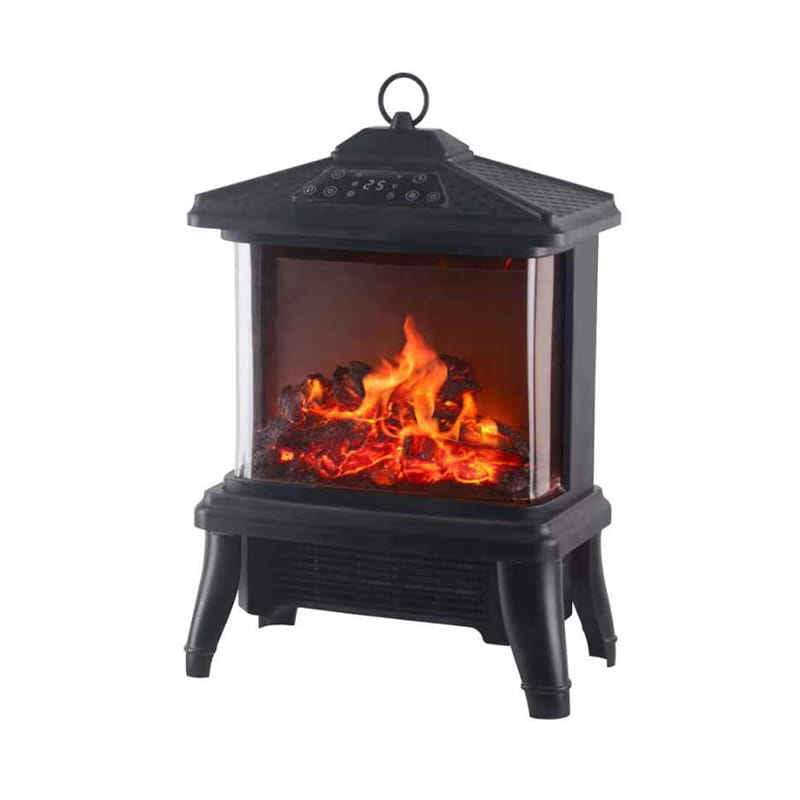
С точки зрения удобства использования, эти 3D -пламенные обогреватели предлагают удобную работу. ...
Смотрите детали -
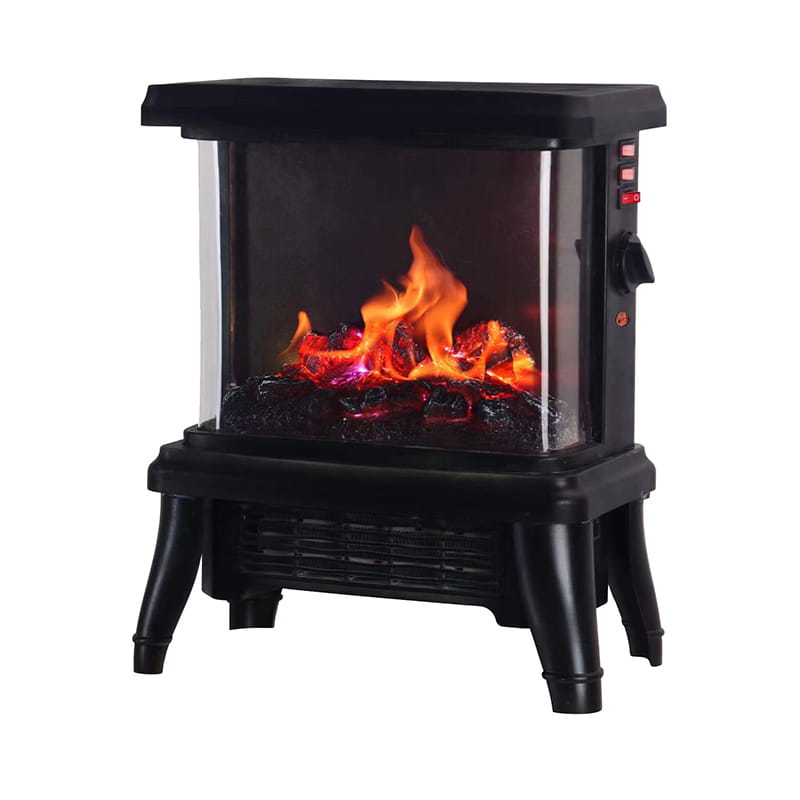
Нагреватель предназначен для воспроизведения внешнего вида настоящего огня, но без необходимости ...
Смотрите детали -
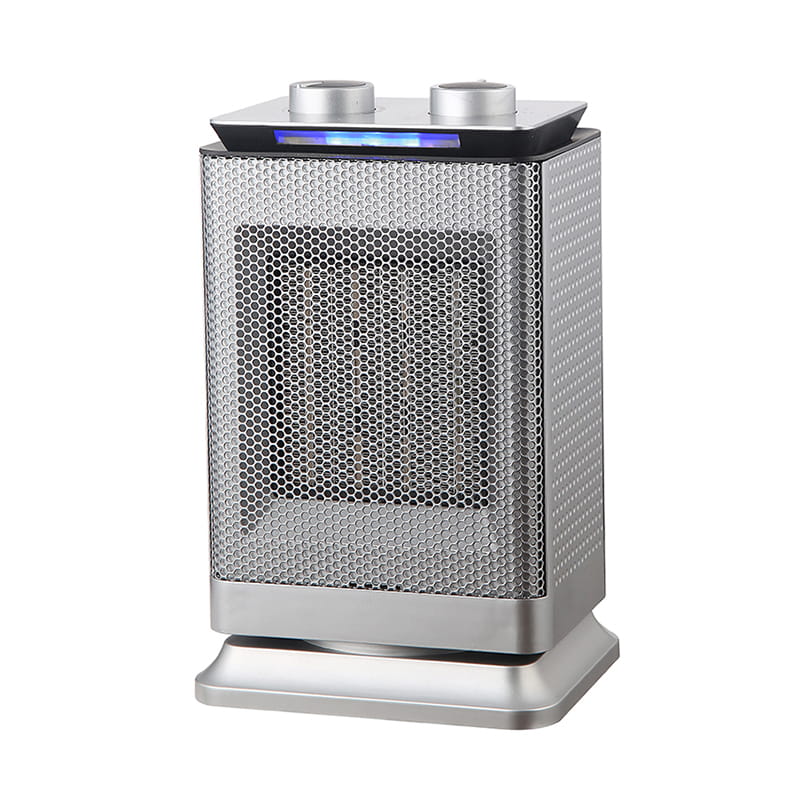
Этот обогреватель имеет быстрый нагрев, регулировку температуры и защитные функции. Верх оснащен ...
Смотрите детали -
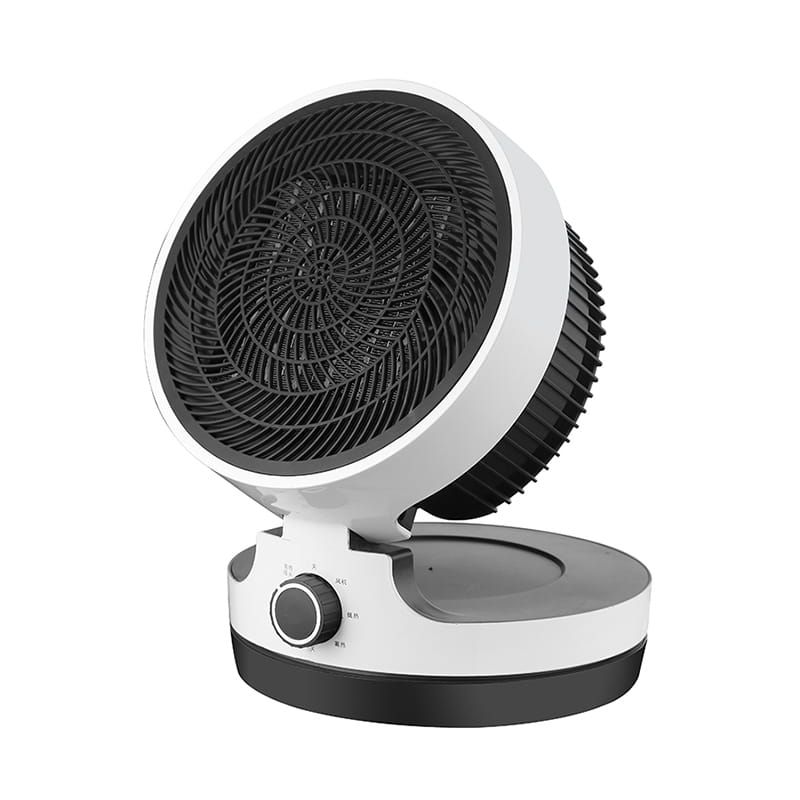
Уникальный внешний вид приносит людям другой опыт. Этот может взорвать и вниз или колебаться влев...
Смотрите детали -
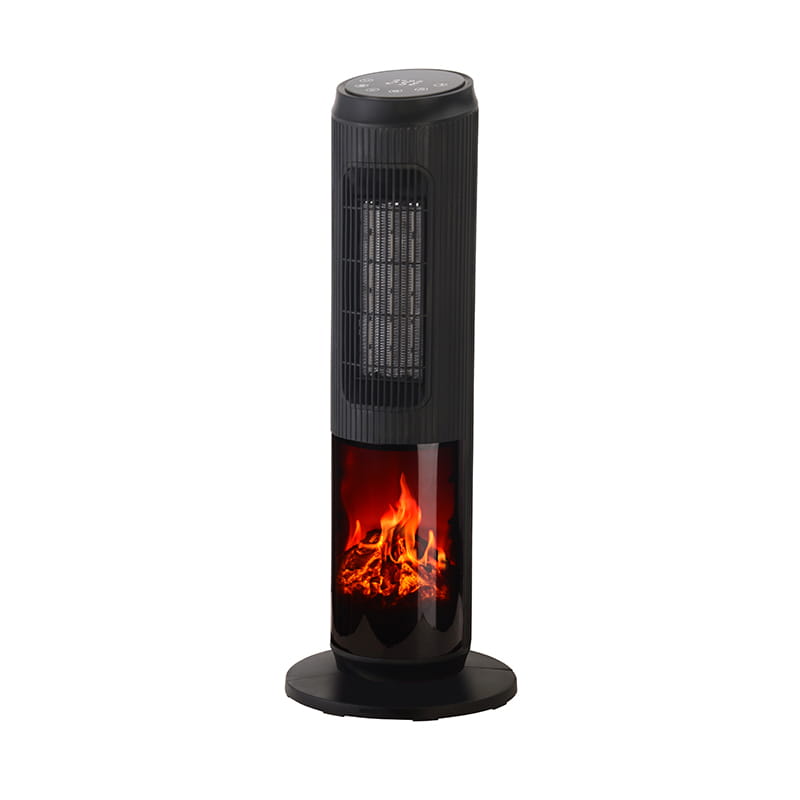
Нагреватель камина использует светодиодные фонари и методы особых отражений для создания реалисти...
Смотрите детали -
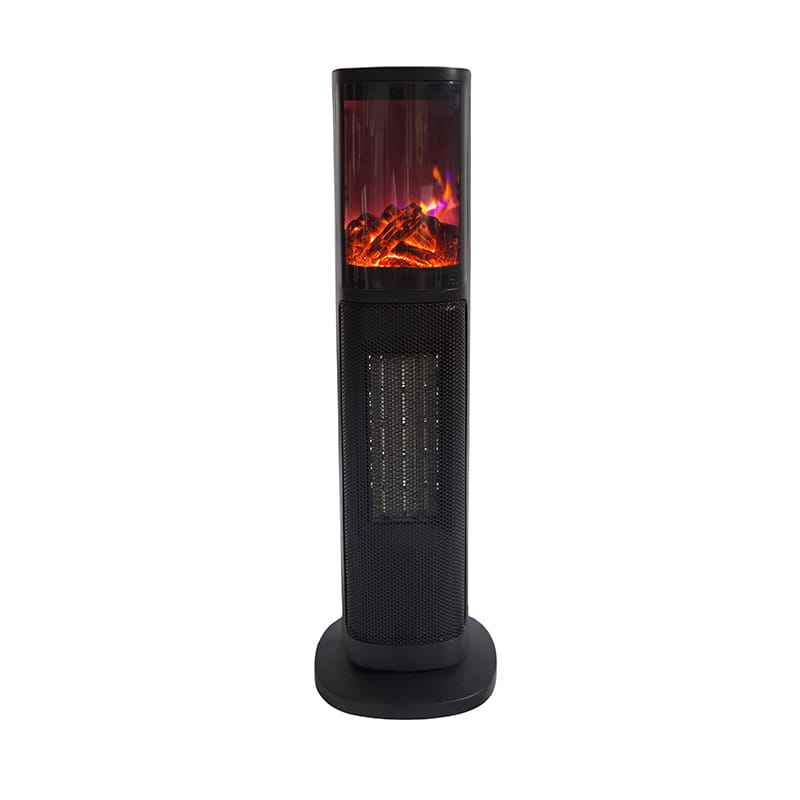
Этот моделируемый нагреватель - хороший вариант отопления, который сочетает в себе эстетику и пра...
Смотрите детали -
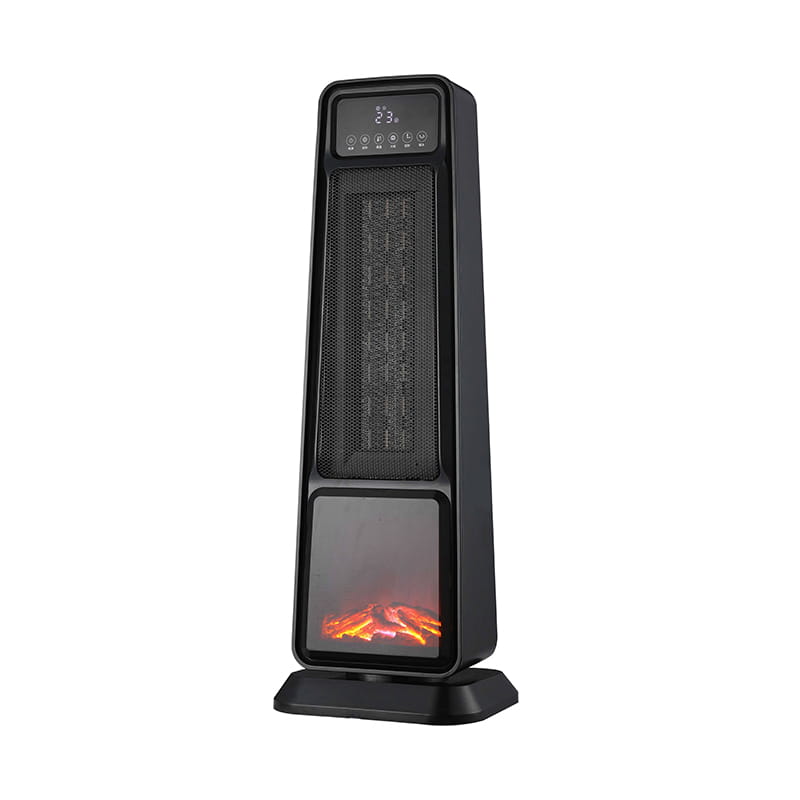
Этот нагреватель камина является уникальным и инновационным типом электрического нагревателя, кот...
Смотрите детали -
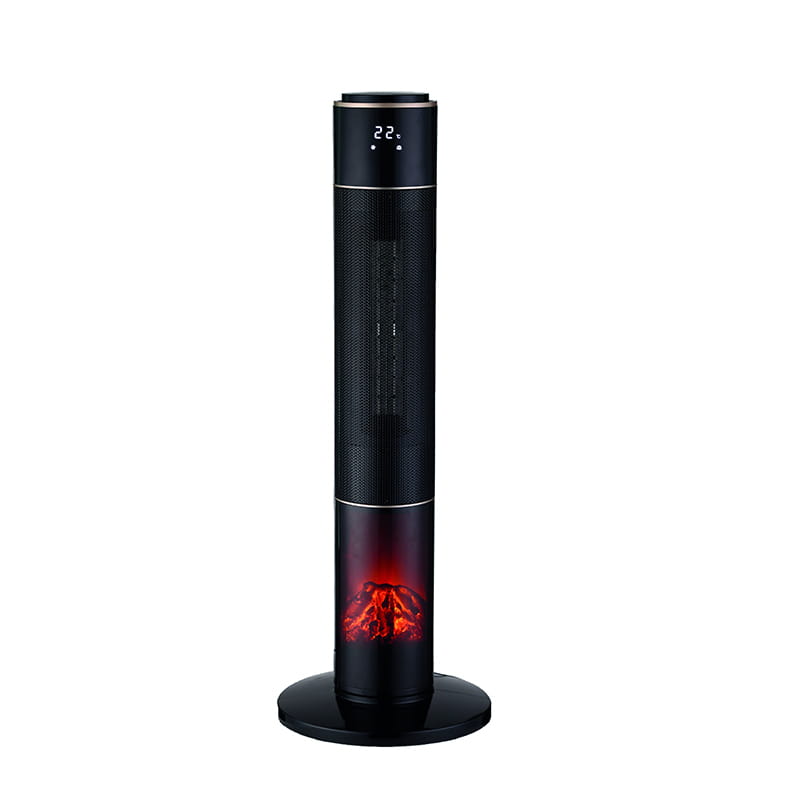
Моделируемые пламенные обогреватели - это инновационный тип электрического нагревателя, который п...
Смотрите детали -
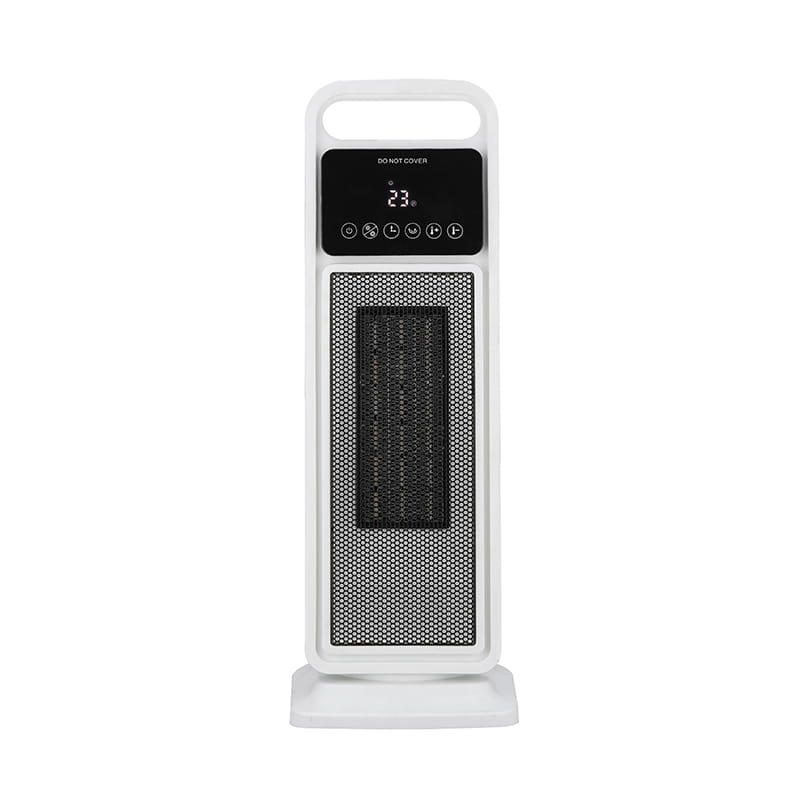
Энергоэффективные: керамические нагреватели очень энергоэффективны, потребляя значительно меньшую...
Смотрите детали -
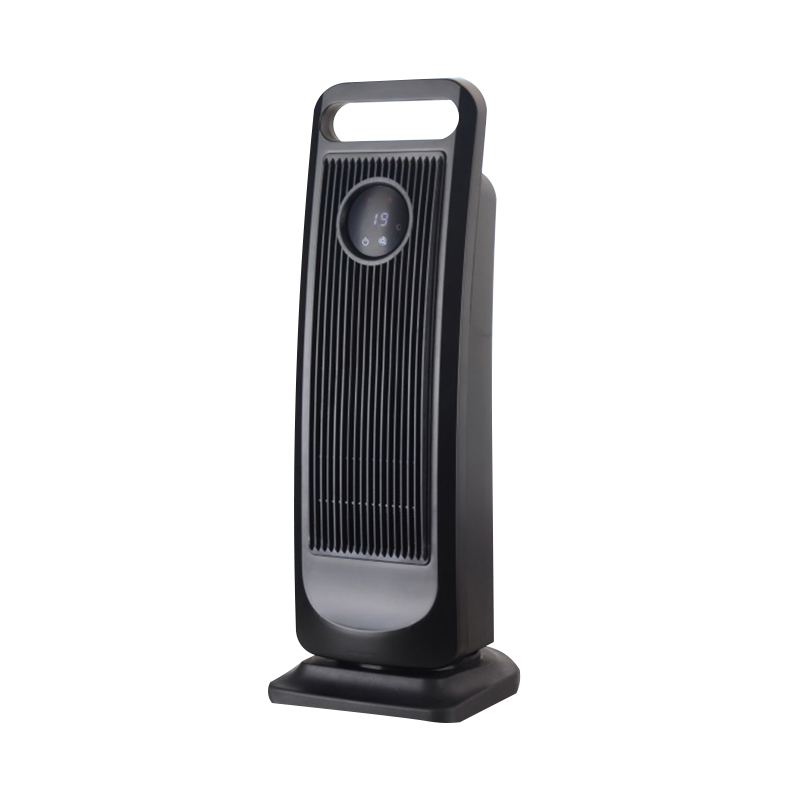
Этот обогреватель имеет две настройки питания при 1000 Вт и 2000 Вт, обеспечивая эффективное отоп...
Смотрите детали -
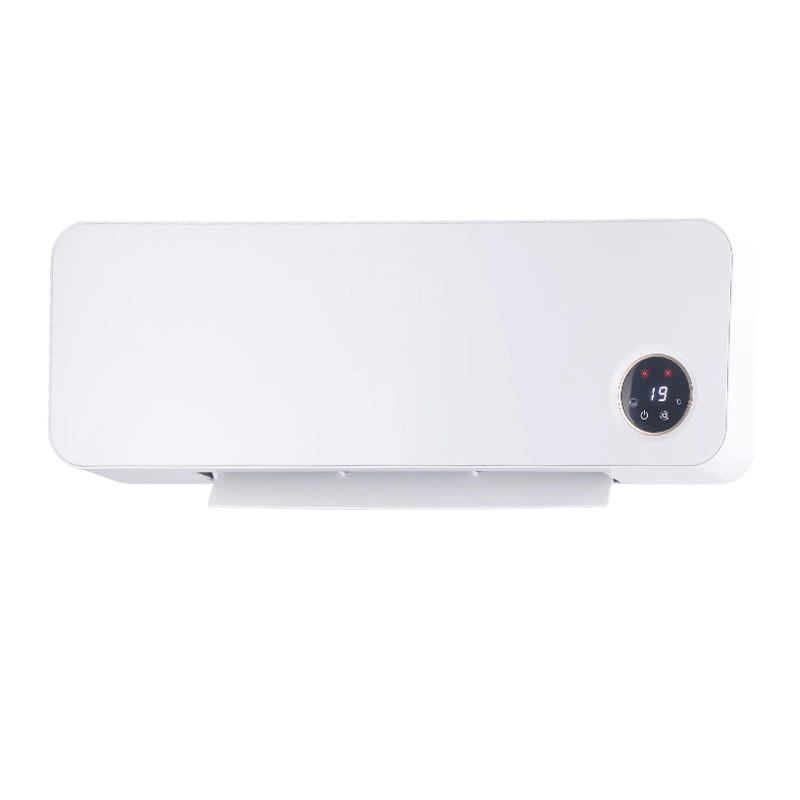
Этот настенный обогреватель предназначен для экономии напольного пространства, обеспечивая большу...
Смотрите детали
Новости
-
Как долго длится Перезаряжаемый кемпинговый вентилятор На самом деле последний Перезаряжаемый походный вентилятор обычно работает от 4 до 35 часов без подзар...
Читайте More -
Choosing the Right Commercial Ice Crusher: The Short Answer The right commercial ice crusher for a bar, restaurant, or cafe comes down ...
Читайте More -
Вентиляторный обогреватель — это обогреватель, в котором встроенный вентилятор проталкивает воздух в помещении через нагревательный элемент, доставляя теплый воздух за считан...
Читайте More -
Вы стоите в холодной спальне и пытаетесь выбрать между дешевым обогревателем с принудительной вентиляцией и керамическим тепловентилятором. Правильный выбор зависит не только...
Читайте More -
Электрическая дробилка льда против ручной дробилки льда: что лучше для ресторана Для большинства ресторанов, баров и программ по производству напитков с больши...
Читайте More



Copyright© Ningbo Shuaige Electric Appliance Co., Ltd. All Rights Reserved
